

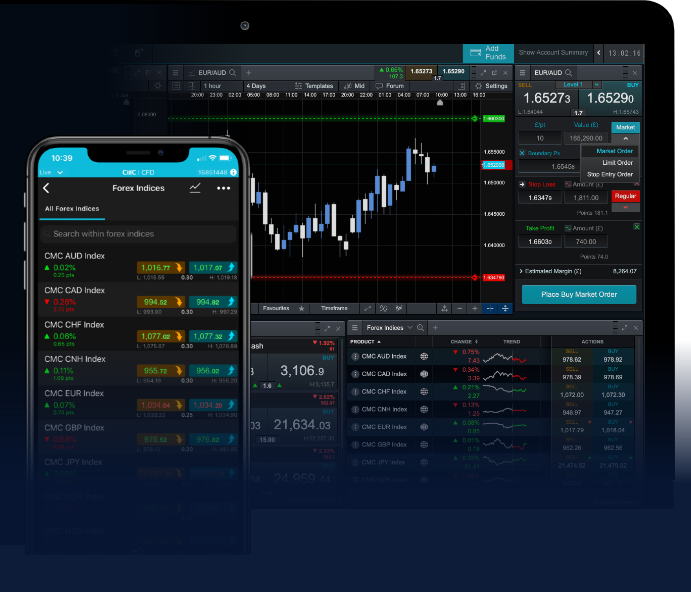
The intersection of artificial intelligence and forex trading has emerged as a dynamic frontier for financial markets. With the increasing complexity of currency fluctuations, traders are continuously seeking innovative approaches to improve their strategies and decision-making processes. One of the most promising advancements is the integration of AI technologies into forex trading systems. ai trading forex minereum.com offers insights into how these tools can redefine the landscape of trading, making it more efficient and profitable.
Understanding AI in Forex Trading
Forex trading, or the exchange of currencies, is one of the largest and most liquid financial markets in the world. It operates 24 hours a day, allowing traders to buy, sell, and speculate on currency price movements at any time. However, navigating this fast-paced market requires a deep understanding of economic indicators, geopolitical factors, and market sentiment, which can be overwhelming for human traders.
This is where AI comes into play. AI can analyze vast amounts of data in real-time, recognize patterns, and adapt to changing market conditions much faster than a human trader could. By leveraging machine learning algorithms, AI systems can learn from historical data and improve their predictive accuracy over time, leading to better trading decisions.
The Benefits of AI in Forex Trading
- Data Analysis: AI can process and analyze immense datasets much quicker than traditional methods. Machine learning algorithms can identify trends, correlations, and anomalies that may not be immediately apparent to human traders.
- Emotionless Trading: Emotions often cloud judgment in trading, leading to impulsive decisions. AI operates based on data and algorithms, ensuring that trades are executed based on logical reasoning rather than emotional responses.
- High-Speed Trading: AI systems can execute trades within milliseconds, capitalizing on pricing inefficiencies before they are rectified in the market.
- Backtesting Strategies: AI can efficiently backtest trading strategies against historical data, allowing traders to assess their potential effectiveness before implementing them in real-time conditions.
- Risk Management: AI systems can help identify potential risks and provide recommendations on how to mitigate them, enabling traders to protect their investments more effectively.
Types of AI Applications in Forex Trading
There are various AI applications that traders can leverage to enhance their trading strategies. Here are some of the most common:
1. Automated Trading Systems
Automated trading systems employ algorithms to execute trades on behalf of traders. These systems can operate 24/7, analyzing market conditions and executing trades based on predefined criteria without human intervention.

2. Predictive Analytics
Predictive analytics uses statistical algorithms and machine learning techniques to analyze historical data and forecast future price movements. This technology provides traders with insights into potential market behavior based on past trends.
3. Sentiment Analysis
Sentiment analysis involves the use of natural language processing (NLP) to analyze news articles, social media, and other sources of information to gauge market sentiment. By understanding public perception and sentiment, traders can better anticipate market movements.
4. Risk Assessment Tools
AI-driven risk assessment tools can analyze a trader’s portfolio, monitor market conditions, and provide real-time alerts on potential risks. This proactive approach allows traders to make informed decisions regarding risk management.
Challenges and Considerations
While the benefits of AI in forex trading are extensive, there are also challenges that traders should consider:
- Market Volatility: The forex market is highly volatile, and AI models may struggle to adapt quickly to sudden market changes or geopolitical events.
- Data Quality: The effectiveness of AI systems is dependent on the quality of the data they are trained on. Poor data quality can lead to inaccurate predictions.
- Overfitting: AI models can sometimes become too tailored to historical data, which might render them less effective when applied in real-world trading scenarios.
- Regulatory Challenges: As AI in trading continues to evolve, regulatory frameworks may lag behind. Traders need to stay informed about changing regulations regarding automated trading systems.
The Future of AI in Forex Trading
The future of AI in forex trading is promising. As technology evolves, we can expect even more sophisticated AI tools that enhance trading strategies and improve market insights. Innovations in machine learning, deep learning, and data analytics will likely continue to shape the forex trading landscape.
Moreover, as the financial markets become increasingly interconnected, AI systems capable of analyzing global economic indicators, news events, and social media sentiment will provide traders with a holistic view of market conditions. This comprehensive analysis will help traders make better-informed decisions, leading to improved profitability.
Conclusion
AI trading in the forex market represents a transformative shift in how traders operate, providing tools that can enhance strategy, increase efficiency, and minimize risk. As more traders begin to harness the power of AI technologies, the competitive landscape will evolve, pushing traditional trading methods towards a more technology-driven future. Understanding and adapting to these changes will be crucial for traders looking to succeed in the dynamic world of forex trading.
Leave a Reply